
Change the
“Domestic violence is a serious public health issue that affects millions of people in the United States each year. It is a problem that often goes unnoticed and unaddressed, but it has devastating consequences for those who experience it.”
It is estimated that every minute there are 20 people who are abused by their intimate partners. This equates to about 10 million people in the United States each year. It is a problem that often goes unnoticed and unaddressed, but it has devastating consequences for those who experience it.what
Butterfly life cycle

Egg (Pre-abuse)
Just as a butterfly starts as an egg, the first stage of survival for a person who has suffered domestic violence is often a period before the abuse begins. This stage may involve a sense of innocence, unawareness of the impending abuse, and a relatively normal life.
Be a Butterfly provides preventive education and awareness programs to communities, schools, and individuals to help raise awareness about domestic violence, promote healthy relationships, and provide information on available resources.
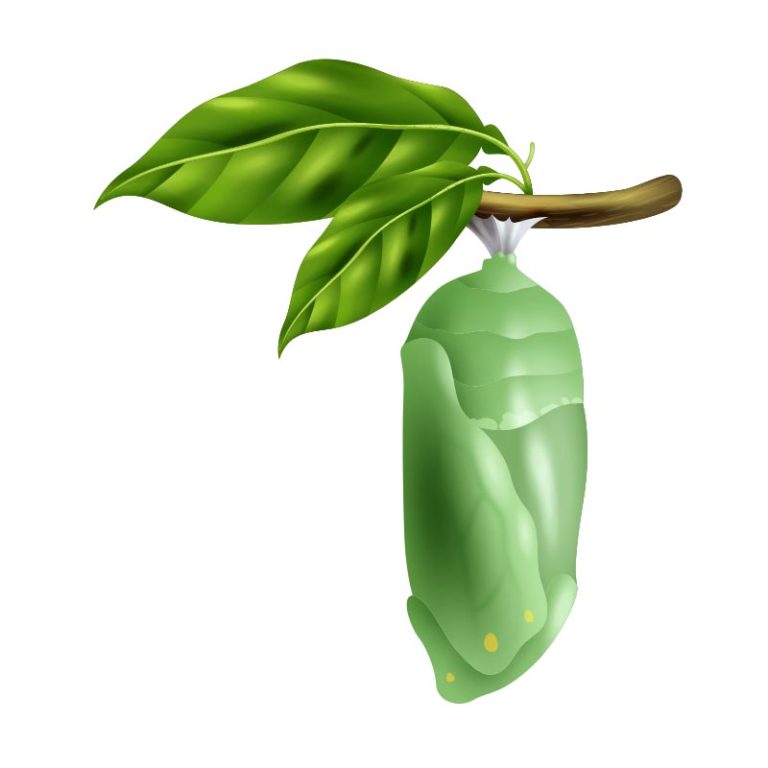
Larva (Abuse)
Similar to the larval stage of a butterfly, this stage involves the actual experience of abuse. It may include physical, emotional, or psychological abuse, and the victim may feel trapped, helpless, and may struggle to escape the abusive situation. This stage can be prolonged and challenging, and may involve coping mechanisms and attempts to survive.
Be a Butterfly offers crisis intervention services to survivors of domestic violence, including hotlines, emergency shelters, and safety planning. This phase involves providing immediate support, validation, and validation to help the survivor escape the abusive situation and ensure their safety.
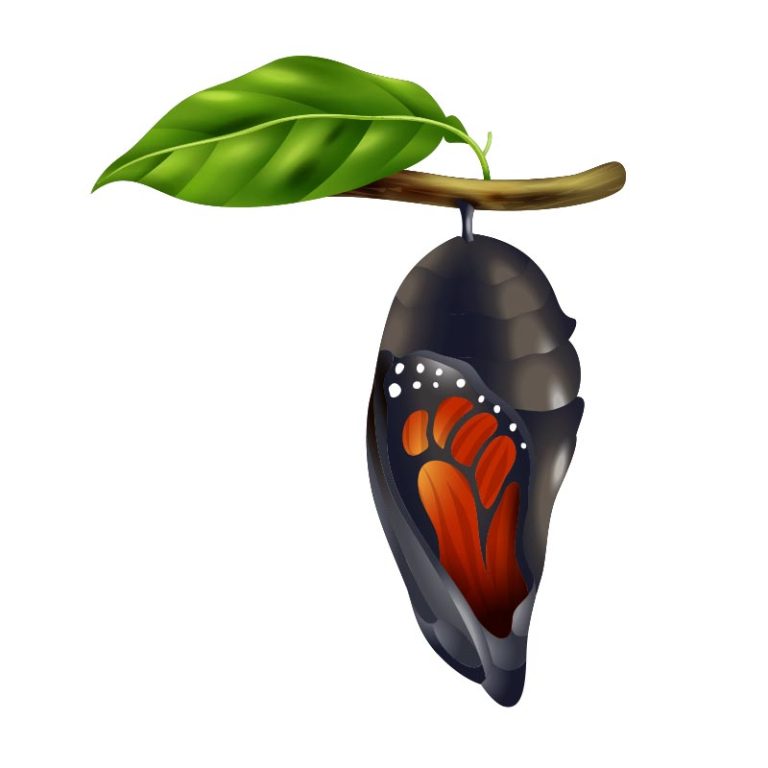
Pupa (Recovery)
Like the pupal stage of a butterfly where it undergoes transformation, the stage of recovery for a survivor of domestic violence involves a process of healing and rebuilding. It may involve seeking help from supportive individuals or professionals, such as counselors or support groups, and taking steps towards physical and emotional recovery. This stage can be a period of self-care, self-reflection, and learning to cope with the effects of the abuse.
Be a Butterfly provides comprehensive support services to help the survivor with their physical, emotional, and psychological recovery. This may include counseling, therapy, support groups, legal assistance, and assistance with basic needs such as housing, through partnership with other nonprofits, employment, and financial stability. The focus is on helping the survivor rebuild their life and regain a sense of empowerment and autonomy.
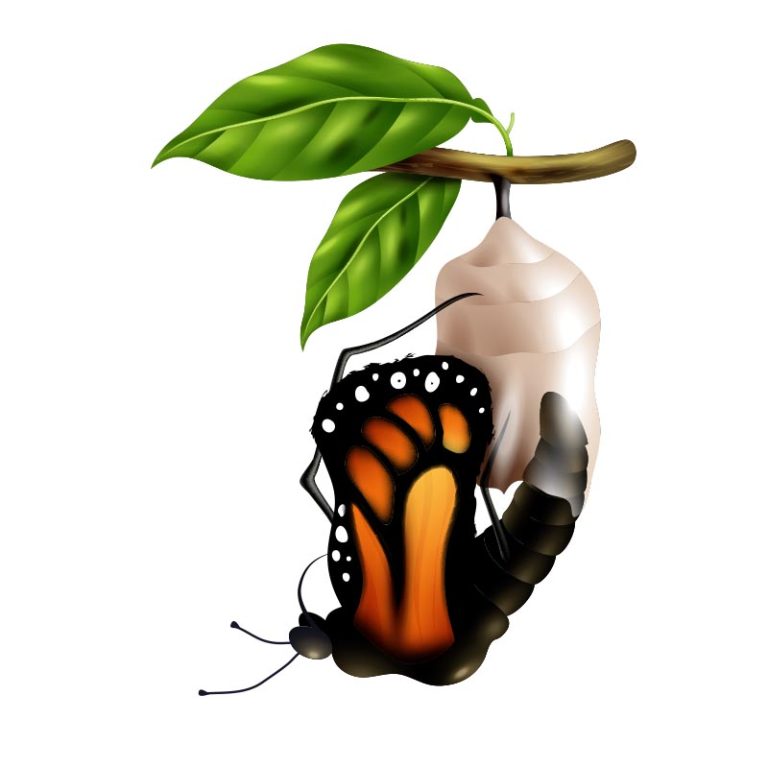
Adult (Survivor)
Just as a butterfly emerges as an adult after the pupal stage, a person who has survived domestic violence may transition into a stage of being a survivor. This stage may involve gaining a sense of empowerment, rebuilding self-esteem, and developing resilience. It may also include taking steps towards independence, setting boundaries, and making positive changes in one’s life.
Be a Butterfly continues to provide ongoing support to the survivor as they transition into a survivor phase. This may include follow-up services, ongoing counseling or therapy, support with navigating legal or financial challenges, and assistance with building healthy relationships and self-care. The survivor is encouraged to take charge of their life and make positive choices for their well-being.

Socialization (Thriving)
Similar to how adult butterflies engage in social behaviors, the stage of thriving for a survivor of domestic violence may involve building healthy relationships, connecting with a supportive community, and engaging in activities that promote personal growth and well-being. This stage may involve moving forward with life, pursuing goals, and living a fulfilling life beyond the effects of the abuse.
Be a Butterfly celebrates the survivor’s journey towards thriving and may provide programs or services that promote socialization and community engagement. This may include survivor-led support groups, empowerment workshops, and opportunities to share their story and inspire others. The focus is on helping the survivor rebuild their life in a positive and fulfilling way, and becoming a role model for others.